Tag
Python syntax
-

Python Lists: The Backbone of Data Handling in Modern Programming
The elegance of Python lists lies in their simplicity. A single line of code—`my_list = [1, "apple", 3.14]`—can encapsulate heterogeneous data, a feature...
-

How Python Functions Reshape Modern Coding—Beyond Basics
The versatility of python functions stems from their first-class nature: they can be passed as arguments, returned from other functions, and even assigned to...
-
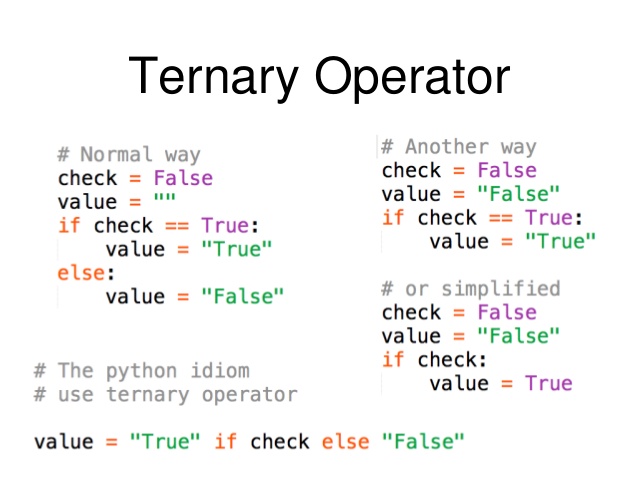
How Python’s Ternary Operator Simplifies Logic Without Sacrificing Readability
The operator’s syntax mirrors mathematical ternary expressions (condition ? true_case : false_case), but Python’s implementation is more flexible. It thrives...
-

Python’s Decorators Unlocked: Mastering Function Wrapping
The concept of function wrapping in Python isn’t unique—many languages offer similar patterns—but Python’s decorator syntax distills the process into a...
-

How Python’s .split() Method Reshapes Data Processing
What makes `.split()` particularly powerful is its adaptability. Unlike rigid alternatives in other languages, Python’s implementation allows for dynamic...
-

Why python hello world Still Matters in 2024: Beyond the Basics
What follows is rarely discussed: the "python hello world" program’s role as a litmus test for debugging environments. A misplaced colon, an unclosed...
-

Python Tutorial: The Definitive Path to Mastering Coding’s Most Versatile Language
The language’s design philosophy—“code is read more often than it’s written”—has cemented its place in industries where maintainability matters. Whether you’re...
-

How to Use Python: A Practical Mastery of the World’s Most Versatile Language
The language’s design philosophy—prioritizing readability and scalability—explains its dominance. Python’s syntax resembles plain English, yet it can handle...