Tag
Python programming
-

Python Tuple: The Immutable Workhorse Behind Efficient Data Handling
The elegance of a Python tuple lies in its simplicity: a comma-separated sequence of elements enclosed in parentheses. Yet beneath this deceptive simplicity...
-

How to Learn Python the Right Way: A Structured Path for Real-World Success
The misconception that Python is "easy" leads to superficial progress. Syntax is forgiving, but building robust applications requires discipline. Whether...
-

Python Lists: The Backbone of Data Handling in Modern Programming
The elegance of Python lists lies in their simplicity. A single line of code—`my_list = [1, "apple", 3.14]`—can encapsulate heterogeneous data, a feature...
-

How Python’s Arrays Work: A Deep Dive Into Performance, Syntax, and Real-World Use
The evolution of arrays in Python mirrors the language’s broader trajectory: from a general-purpose scripting tool to a powerhouse for data-intensive tasks...
-

How to Install Python: The Definitive Step-by-Step Process
The decision to install Python isn’t merely about acquiring a tool; it’s about unlocking a gateway to automation, data science, and web development. Yet, the...
-
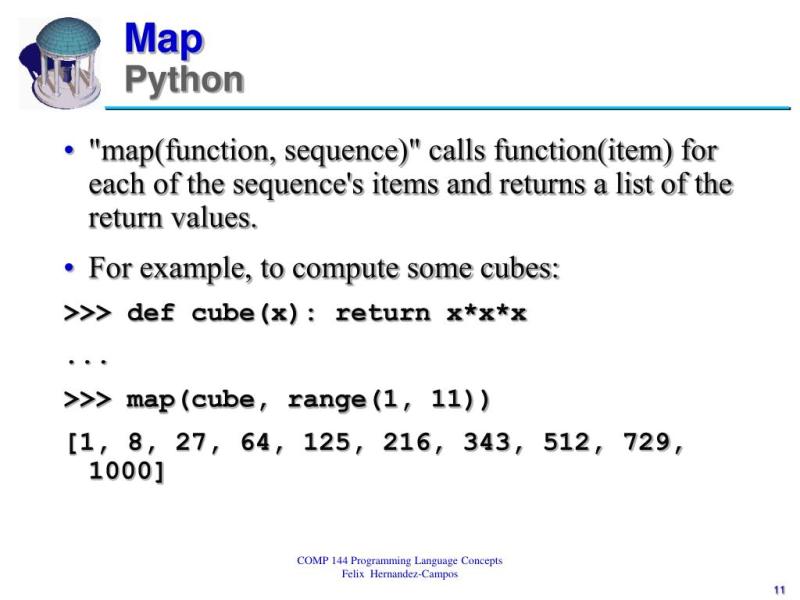
How Python Map Transforms Data Processing and Code Efficiency
What makes `map()` particularly intriguing is its dual nature: it’s both a functional construct and a performance optimization. Under the hood, it delegates...
-

How Python Modules Reshape Modern Software Development
Yet, the power of python modules extends beyond convenience. They enforce separation of concerns, reducing cognitive load for teams working on complex...
-

Mastering Python for Loop Range: The Definitive Guide to Iteration Control
The elegance of Python’s iteration mechanisms lies in their balance between readability and flexibility. Unlike languages that require manual index management...
-

Python String Splitting Demystified: The Definitive Guide to How to Split a String in Python
The elegance of Python’s string handling lies in its balance of simplicity and power. While other languages require verbose loops or external libraries...
-

How Python Functions Reshape Modern Coding—Beyond Basics
The versatility of python functions stems from their first-class nature: they can be passed as arguments, returned from other functions, and even assigned to...
-

Python Strings Explained: The Definitive Breakdown of What Is a String in Python
At its core, a string in Python is an immutable sequence of Unicode characters. This immutability—once a source of frustration for developers accustomed to...
-

How to Add to a Dictionary in Python: A Deep Dive into Dynamic Data Manipulation
The versatility of Python dictionaries extends beyond simple key-value pairs. They support nested dictionaries, default values, and even custom objects as...
-
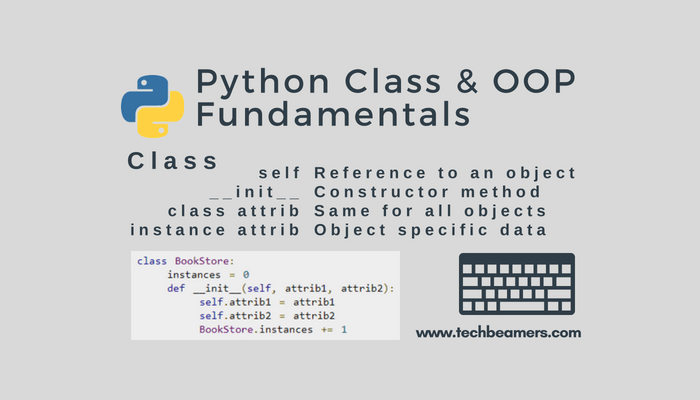
How Python Class Structures Shape Modern Software Design
The elegance of `python class` lies in its dual role: as both a tool for encapsulation and a framework for inheritance. Unlike procedural scripts, a...
-
How Python Mods Reshape Coding, Security, and Automation
The term python mod encompasses everything from lightweight utility libraries to full-fledged frameworks that alter Python’s behavior at runtime. Some are...
-
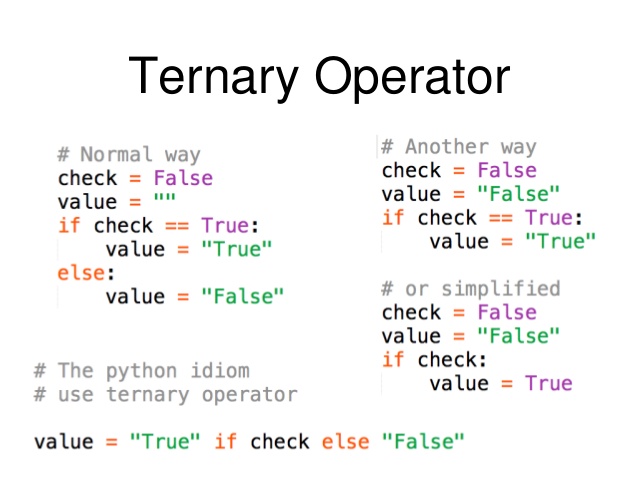
How Python’s Ternary Operator Simplifies Logic Without Sacrificing Readability
The operator’s syntax mirrors mathematical ternary expressions (condition ? true_case : false_case), but Python’s implementation is more flexible. It thrives...
-

How Long Does It Take to Learn Python? The Real Timeline & What It Really Demands
The myth of "quick mastery" persists, fueled by bootcamps promising fluency in 12 weeks or viral tweets claiming "learn Python in a weekend." Reality is far...
-

How Python's heapq Transforms Data Prioritization and Efficiency
What sets heapq apart is its adherence to the min-heap invariant by default, though it can be adapted for max-heap scenarios with simple transformations. This...
-
How Absolute Value Python Transforms Data Science and Algorithms
At its core, the absolute value Python implementation (`math.abs()` or the built-in `abs()`) isn’t just a mathematical abstraction—it’s a performance-critical...
-

How Python’s If Statement Works: Logic, Mastery, and Hidden Power
The elegance of Python’s if statement lies in its minimalism. Unlike languages that require explicit boolean checks (e.g., `if (x == true)`), Python’s syntax...
-

How Python Data Structures Shape Modern Software Design
The efficiency of python data structures stems from their underlying implementation. Lists, for instance, leverage dynamic arrays with amortized O(1) append...